.png)
Carpal Tunnel Syndrome: Causes, Symptoms, and the Most Effective Treatment Options


Why Your Hand Feels Numb or Weak — And How Integrated Care at HealU+ Can Help You Recover Faster
Hand numbness. Tingling fingers. Weak grip strength. Pain that wakes you up at night.
If you have experienced these symptoms, you may be dealing with Carpal Tunnel Syndrome (CTS) — one of the most common nerve compression conditions affecting the hand and wrist.
At HealU+ Wellness & Pilates, we regularly treat patients with carpal tunnel syndrome using a comprehensive, multidisciplinary approach designed to relieve nerve pressure, reduce inflammation, restore function, and prevent long-term damage.
This guide will help you understand:
What carpal tunnel syndrome is
Why it develops
Who is most at risk
How symptoms progress
What happens if it is left untreated
And how integrated care can significantly improve recovery
1. What Is Carpal Tunnel Syndrome?
Carpal Tunnel Syndrome is a condition that occurs when the median nerve — one of the major nerves supplying the hand — becomes compressed as it travels through the wrist.
The median nerve passes through a narrow structure in the wrist called the carpal tunnel.
This tunnel is formed by:
Wrist bones at the bottom
A thick ligament across the top
Inside this small space run:
The median nerve
Several tendons that control finger movement
When swelling or inflammation develops inside the tunnel, pressure increases. Because the space is limited, even small amounts of swelling can compress the nerve.
This compression leads to:
Numbness
Tingling
Pain
Weakness
Unlike muscle injuries, this is a nerve-related condition — meaning symptoms can feel electric, burning, or radiating.
2. What Causes Carpal Tunnel Syndrome?

Carpal tunnel syndrome develops when pressure builds within the carpal tunnel.
Common causes include:
Repetitive Small Movements
Frequent typing, keyboard use, or mouse use can strain wrist tendons.
Repetitive Grasping
Gripping tools, scissors, hair styling tools, or kitchen utensils repeatedly can irritate tendons.
Joint or Bone Disease
Conditions such as:
Osteoarthritis
Rheumatoid arthritis
Degenerative joint disease
can narrow the carpal tunnel space.
Blood Sugar Changes
Diabetes affects nerve health and increases susceptibility to compression injuries.
Fluid Retention
Swelling from pregnancy or hormonal changes can temporarily increase pressure inside the tunnel.
Inflammatory Conditions
Chronic inflammation thickens tissues around the nerve.
When inflammation increases, the median nerve becomes compressed, triggering symptoms.
3. Who Is Most at Risk?
Carpal tunnel syndrome is especially common in:
Middle-aged women
Individuals with obesity
Elderly individuals
People with diabetes
Pregnant women
Patients undergoing dialysis for chronic kidney disease
Occupational risk groups include:
Office workers
Hair stylists
Estheticians
Chefs
Construction workers
Stay-at-home parents
Heavy smartphone users
Frequent repetitive wrist motion significantly increases risk.
4. Early Symptoms and Warning Signs
Symptoms often begin gradually.
Early signs include:
Tingling in the thumb, index, and middle fingers
Numbness during sleep
Hand discomfort after typing
Burning sensation in fingers
Weak grip strength
Symptoms often worsen at night because wrist position during sleep increases pressure in the tunnel.
Many patients shake their hands at night to relieve numbness.
If untreated, symptoms can progress.
5. How Carpal Tunnel Progresses If Left Untreated
Without intervention, nerve compression can worsen.
Progression may include:
Persistent numbness
Reduced fine motor control
Muscle weakness at the base of the thumb
Difficulty buttoning clothing
Frequent dropping of objects
Permanent nerve damage
Chronic compression can lead to thenar muscle atrophy, where the muscle at the base of the thumb shrinks due to nerve dysfunction.
Early treatment prevents long-term damage.
6. How Acupuncture Helps Carpal Tunnel Syndrome
Acupuncture is highly effective in reducing inflammation and nerve irritation.
It works by:
Improving blood circulation
Reducing swelling
Stimulating natural anti-inflammatory responses
Regulating pain pathways
Supporting nerve healing
By decreasing local inflammation within the carpal tunnel, acupuncture can relieve pressure on the median nerve.
Many patients experience reduced tingling and improved comfort after several sessions.
Acupuncture is especially effective in early to moderate stages.
7. The Role of Physiotherapy in Recovery

Physiotherapy plays a crucial role in restoring function and preventing recurrence.
Treatment may include:
Nerve Gliding Exercises
These exercises improve median nerve mobility and reduce adhesions.
Wrist Mobility Training
Restores flexibility without increasing compression.
Forearm Strengthening
Balanced muscle strength reduces strain on tendons.
Postural Correction
Poor shoulder and neck posture can increase nerve tension.
Ergonomic Education
Workstation adjustments reduce repetitive stress.
Structured rehabilitation helps retrain proper movement patterns.
8. How Massage Therapy Supports Nerve Relief
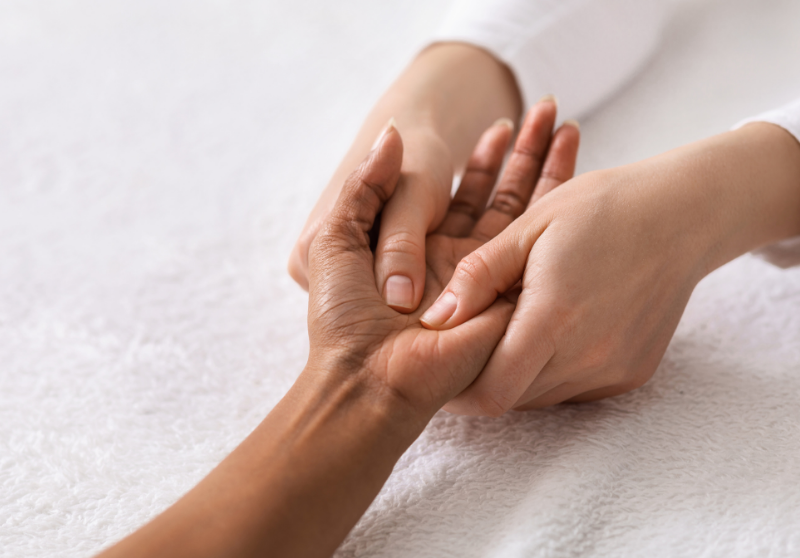
Massage therapy supports recovery by addressing muscular contributors to compression.
Benefits include:
Reducing forearm muscle tightness
Improving circulation
Decreasing soft tissue adhesions
Relieving neck and shoulder tension
When forearm flexor muscles are tight, they increase tension through the wrist, worsening nerve compression.
Massage therapy reduces this tension and supports tissue relaxation.
9. Home Care Strategies and Lifestyle Modifications
Professional treatment is most effective when combined with consistent home care.
Recommended strategies include:
Wrist Splinting
Wearing a neutral wrist splint at night prevents excessive bending.
Activity Modification
Reduce repetitive wrist motion when possible.
Ice Therapy
Applying ice reduces inflammation.
Stretching
Gentle wrist and forearm stretching improves flexibility.
Ergonomic Improvements
Adjust keyboard height, wrist support, and mouse positioning.
Blood Sugar Control
For diabetic patients, stable blood sugar supports nerve health.
Consistency is key to recovery.
10. Integrated Care at HealU+: A Multidisciplinary Approach
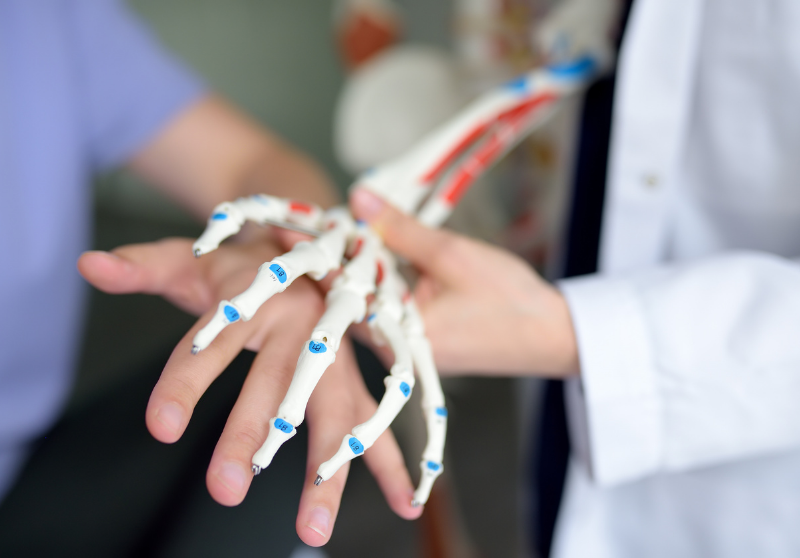
At HealU+ Wellness & Pilates, we treat carpal tunnel syndrome using a coordinated approach.
Our integrated model includes:
Acupuncture to reduce inflammation
Physiotherapy to restore mobility and strength
Massage therapy to relieve muscular tension
Chiropractic care to address cervical spine contribution
Kinesiology for movement retraining
This comprehensive strategy:
Reduces nerve compression
Improves circulation
Restores hand strength
Prevents recurrence
Minimizes the need for surgery
Our goal is to address both the symptoms and the underlying causes.
How Long Does Recovery Take?
Recovery time depends on severity.
Mild cases may improve within 4 to 8 weeks.
Moderate cases may require 2 to 3 months of structured care.
Chronic cases require longer rehabilitation.
Early intervention consistently leads to faster outcomes.
When Should You Seek Professional Care?
Consider booking an assessment if:
Numbness lasts more than two weeks
Symptoms wake you at night
Grip strength decreases
You frequently drop objects
Pain interferes with work
Delaying treatment increases risk of permanent nerve damage.
Take the First Step Toward Restoring Your Hand Function
Carpal tunnel syndrome is common, but it does not have to become permanent.
With proper diagnosis and integrated treatment, recovery is possible.
By reducing inflammation, restoring nerve mobility, correcting biomechanics, and strengthening surrounding muscles, patients can regain full function and prevent recurrence.
If you are experiencing numbness, tingling, or weakness in your hand, early treatment makes a significant difference.
📍 HealU+ Wellness & Pilates
3041 Anson Ave #202Coquitlam, BC V3B 2H6
📞 (604) 475-8275
Book your consultation today and begin your recovery journey.

Comments