.png)
Lower Back and Sciatic Pain: Understanding the Cause and Finding the Right Approach to Recovery

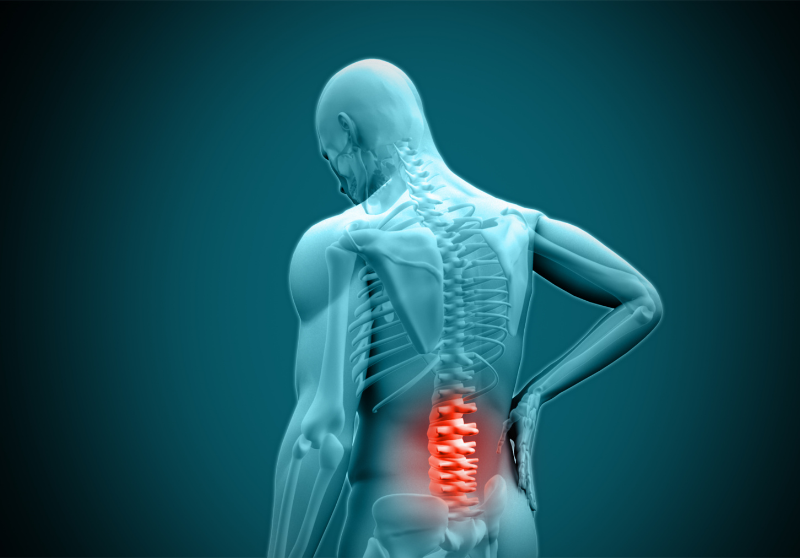
Lower back pain is one of the most common physical concerns people experience at some point in their lives.
For some, it develops gradually — a dull ache that builds after long hours of sitting or standing. For others, it appears suddenly, sharp and difficult to ignore. In many cases, it doesn’t remain confined to the lower back. Instead, it travels, often extending into the hip, glute, or down the leg.
This is when the condition becomes more than simple back discomfort.
It begins to involve the sciatic nerve.
At healU+ Wellness & Pilates in Coquitlam, we regularly work with individuals experiencing both localized lower back pain and radiating sciatic symptoms. While these conditions can feel complex, they often follow patterns that respond well to structured, progressive care.
Understanding what is happening within the body — and how to approach it properly — is the foundation for meaningful recovery.
What Is Lower Back and Sciatic Pain?
Lower back pain refers to discomfort felt in the lumbar region — the area between the ribcage and the pelvis.
This type of pain can vary widely in intensity and presentation. It may feel like a constant ache, a sharp localized pain, or stiffness that limits movement.
Sciatic pain is different.
It involves irritation or compression of the sciatic nerve, the longest nerve in the body. This nerve originates in the lower back and travels through the hips, glutes, and down each leg.
When the sciatic nerve is affected, symptoms often include:
Radiating pain down one side of the body
A burning or electric sensation
Tingling or numbness
Weakness in the leg
The presence of radiating symptoms is what distinguishes sciatica from general back pain.

A Closer Look at the Sciatic Nerve
To understand sciatic pain, it helps to understand the structure involved.
The sciatic nerve is formed by several nerve roots that exit the lower spine. These nerve roots combine and travel downward through the pelvis and into the legs.
Because of its length and pathway, irritation at one point can affect a much larger area.
For example:
Compression in the lower spine may result in pain felt in the calf or foot
Muscle tension in the hip may affect how the nerve moves
This is why symptoms often appear far from the original source.
Why Lower Back Pain Develops
Lower back pain rarely has a single cause.
Instead, it typically develops from a combination of factors that build up over time.
One of the most significant contributors is prolonged sitting. Remaining in a seated position for extended periods places continuous pressure on the lower spine and reduces activation of supporting muscles.
Another factor is movement inefficiency. When the body lacks proper coordination or strength, certain structures take on more load than they are designed to handle.
Muscle imbalances also play a role. Tight hip flexors, weak glutes, and underactive core muscles can all shift stress toward the lower back.
Over time, these patterns contribute to:
Increased tension
Reduced mobility
Irritation of surrounding tissues
How Sciatic Pain Becomes Part of the Picture

Sciatic pain usually develops when something interferes with the nerve’s pathway.
This can include:
Disc-related pressure
Muscle tightness in the hips or glutes
Changes in spinal alignment
Inflammation around nerve roots
One common example is the relationship between the piriformis muscle and the sciatic nerve. When this muscle becomes tight or overactive, it can place pressure on the nerve, leading to symptoms that radiate down the leg.
Another example involves the spinal discs. When these structures are stressed, they may affect nearby nerves, producing similar symptoms.
The important point is that sciatic pain is often the result of mechanical and functional changes, not just one isolated issue.
Recognizing the Different Types of Pain
Lower back and sciatic pain can feel very different depending on the source.
Muscular pain is often described as:
Aching
Tight
Localized
Nerve-related pain tends to feel:
Sharp
Burning
Radiating
Understanding this difference can help guide how the condition is managed.
Common Symptoms to Watch For
While each case is unique, there are consistent patterns.
You may experience:
A dull ache in the lower back
Sharp or stabbing pain
Pain that radiates into the hip or leg
Tingling or numbness
Increased discomfort with movement
Certain activities may worsen symptoms, including:
Bending forward
Twisting
Lifting
Standing for long periods
Walking
Symptoms may fluctuate depending on posture and activity level.
How Daily Habits Contribute to Pain
Modern routines often create the conditions for lower back issues.
Long periods of sitting reduce circulation and muscle activation. At the same time, repetitive movements — whether at work or during exercise — can place stress on the same structures repeatedly.
Over time, this leads to:
Reduced flexibility
Increased tension
Changes in posture
The body adapts to these patterns, often in ways that increase strain rather than reduce it.
When Pain Becomes Persistent
For some individuals, symptoms resolve with rest.
For others, the pain becomes ongoing.
This typically happens when:
Movement patterns remain unchanged
Muscles continue to compensate
The body does not regain its original function
As a result:
Pain may return frequently
Activity tolerance decreases
Sensitivity increases
At this stage, a more structured approach is needed.
What Actually Supports Recovery

Recovery from lower back and sciatic pain is most effective when it addresses both the symptoms and the underlying causes.
At healU+ Wellness & Pilates, care is designed to support the body in a progressive and coordinated way.
Acupuncture is often incorporated to support circulation and help regulate inflammation. It can also assist in reducing muscle tension that contributes to discomfort.
Physical therapy focuses on restoring movement. Through guided exercises, it helps rebuild strength and improve coordination, particularly in the muscles that support the spine.
Registered Massage Therapy works directly with soft tissues. By reducing tension and improving tissue quality, it creates better conditions for movement and recovery.
Chiropractic care may be used to improve joint mechanics and reduce mechanical stress within the spine, allowing for more efficient movement.
At the same time, home care plays a central role. Adjusting daily habits, maintaining movement, and gradually reintroducing activity all contribute to long-term improvement.
The Role of Core Strength and Stability
Core stability is one of the most important factors in managing lower back pain.
The core acts as a support system for the spine. When it is strong and coordinated, it helps distribute load evenly.
When it is weak or underactive, the lower back compensates.
At healU+, rehabilitation often includes:
Core strengthening
Controlled mobility exercises
Movement training
This helps restore balance and reduce unnecessary strain.
Why Pain Travels Down the Leg
Sciatic pain feels different because it involves the nervous system.
When the sciatic nerve is irritated, signals travel along its pathway. This creates the sensation of pain extending into the leg.
This does not always indicate severe structural damage, but it does highlight the involvement of the nerve.
Proper assessment helps determine the most appropriate approach.
Long-Term Recovery and Prevention
Preventing recurrence requires consistent attention to how the body moves.
This includes:
Maintaining strength in supporting muscles
Improving flexibility
Avoiding prolonged static positions
Progressing activity gradually
Small, consistent adjustments often have the greatest impact.
Why Choose healU+ Wellness & Pilates
At healU+ in Coquitlam, we take a comprehensive approach to care.
Rather than focusing on a single aspect of treatment, we integrate multiple methods to support both recovery and long-term function.
Care is:
✔ personalized
✔ progressive
✔ focused on movement
Lower back and sciatic pain can feel limiting, but they are often manageable with the right approach.
By understanding how the condition develops and addressing both symptoms and movement patterns, it is possible to improve comfort and function over time.
Recovery is not just about reducing pain — it’s about restoring how the body moves.

Call to Action
If you’re experiencing lower back or sciatic pain, it may be time to take a closer look at your recovery.
📍 healU+ Wellness & Pilates
3041 Anson Ave #202, Coquitlam
📞 (604) 475-8275
Book your consultation today.

Comments