.png)
Plantar Fasciitis: Causes, Symptoms, and the Most Effective Treatment Options for Heel Pain

Why Your Heel Hurts in the Morning — And How Integrated Care at HealU+ Can Help You Recover Faster

Heel pain can quietly disrupt your life.
It starts as a sharp discomfort when you step out of bed. You shake it off. You walk a little. It improves. But the next morning — it returns.
If this sounds familiar, you may be experiencing Plantar Fasciitis, one of the most common causes of heel pain in adults.
At HealU+ Wellness & Pilates, we regularly treat plantar fasciitis using an integrated, multidisciplinary approach that focuses not only on symptom relief — but long-term recovery and prevention.
This guide will help you understand:
What plantar fasciitis really is
Why morning pain happens
Who is most at risk
How to differentiate it from other heel conditions
And most importantly — the most effective treatment options available
What Is Plantar Fasciitis?
Plantar fasciitis is inflammation or degeneration of the plantar fascia — a thick band of connective tissue that runs across the bottom of your foot.
This structure connects:
Your heel bone (calcaneus)
To the base of your toes
It plays a critical role in:
Supporting your foot arch
Absorbing shock
Stabilizing your gait
Distributing body weight during walking and running
When excessive stress is placed on this tissue, small tears develop. Over time, repeated strain leads to inflammation, irritation, and persistent heel pain.
Why Does Heel Pain Feel Worse in the Morning?

One of the most classic symptoms of plantar fasciitis is severe pain during your first few steps after waking up.
Why?
During sleep:
Your foot remains in a relaxed, slightly shortened position
The plantar fascia contracts overnight
Microtears begin to stiffen
When you stand in the morning:
Your body weight suddenly stretches the tightened fascia
The tissue is forced to lengthen quickly
Sharp pain occurs near the heel
Many patients describe it as:
“A stabbing pain in the bottom of my heel.”
As you walk more, the tissue gradually warms up and stretches, reducing discomfort temporarily.
However, the pain often returns:
After long periods of standing
After prolonged walking
After sitting for extended time
Who Is Most at Risk?
Plantar fasciitis is more common in:
Adults aged 40–60
Women (approximately twice as common)
People who stand for long hours
Runners and athletes
Individuals with flat feet or high arches
Those with tight calf muscles
Individuals with higher body weight
Certain occupations are also high-risk:
Teachers
Healthcare workers
Retail employees
Construction workers
Is It Always Plantar Fasciitis?
Heel pain does not automatically mean plantar fasciitis.
It must be differentiated from:
Heel spurs
Achilles tendinopathy
Nerve entrapment
Stress fractures
Referred pain from lumbar spine issues
Accurate assessment is critical.
At HealU+, our team evaluates:
Gait mechanics
Foot structure
Ankle mobility
Calf flexibility
Postural alignment
to determine the true source of pain.
What Happens If You Ignore It?
Plantar fasciitis often starts gradually.
Many people try to “walk it off.”
But without treatment:
Inflammation becomes chronic
Tissue degeneration worsens
Compensatory patterns develop
Knee, hip, and lower back pain may follow
The longer the condition persists, the longer recovery takes.
The Most Effective Treatment Options for Plantar Fasciitis
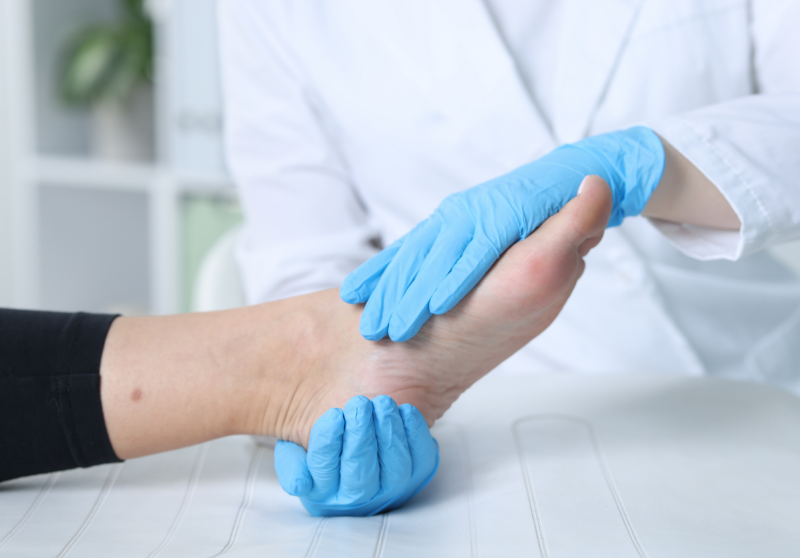
At HealU+, we use a multidisciplinary model because plantar fasciitis rarely resolves with one single treatment.
A combination of the following can significantly speed recovery:
1. Acupuncture
Acupuncture helps by:
Increasing local blood circulation
Reducing inflammation
Stimulating natural endorphins
Promoting tissue healing
Needling specific points around:
The heel
The arch
The calf muscles
can reduce tension and improve recovery speed.
Many patients experience noticeable pain reduction within a few sessions.
2. Physiotherapy
Physiotherapy is essential for long-term recovery.
It focuses on:
Stretching tight calf muscles
Strengthening intrinsic foot muscles
Improving ankle mobility
Correcting biomechanical imbalances
Rehabilitation exercises reduce stress on the plantar fascia and prevent recurrence.
Clinical Pilates may also be introduced to improve:
Lower limb alignment
Core stability
Weight distribution
3. Registered Massage Therapy (RMT)

Massage therapy addresses:
Myofascial restrictions
Trigger points in the calf
Circulatory deficits
Achilles tendon tightness
Manual therapy reduces overall strain on the plantar fascia.
4. Chiropractic Care
Chiropractic adjustments can:
Improve ankle and foot joint mobility
Restore proper alignment
Reduce compensatory strain
When pelvic or spinal imbalances contribute to poor gait mechanics, correcting them can improve foot loading patterns.
5. Medication
Short-term anti-inflammatory medications may help manage acute pain, but they do not address underlying mechanical causes.
They are best used alongside rehabilitation.
6. Home Care Strategies
We guide patients on:
Daily calf stretching
Plantar fascia stretching
Ice therapy
Supportive footwear
Night splints (if indicated)
Activity modification
Consistency at home plays a major role in recovery.
How Long Does Recovery Take?
Recovery depends on severity and duration.
Mild cases:4–6 weeks
Moderate cases:6–12 weeks
Chronic cases:3–6 months or longer
Early intervention dramatically improves outcomes.
Prevention Strategies
Once symptoms improve, prevention is essential.
We recommend:
Wearing supportive footwear
Avoiding barefoot walking on hard floors
Maintaining calf flexibility
Gradually increasing exercise intensity
Strengthening intrinsic foot muscles
ICBC and Heel Pain
If your plantar fasciitis developed following a motor vehicle accident, ICBC may cover eligible treatments.
At HealU+, we assist with:
Initial assessment
Treatment planning
ICBC coordination
Our team integrates physiotherapy, acupuncture, massage, and chiropractic care to support accident-related recovery.
Why Choose HealU+ Wellness & Pilates?

What makes HealU+ different?
We provide integrated care under one roof:
Acupuncture
Physiotherapy
Registered Massage Therapy
Chiropractic
Kinesiology
Pilates-based rehabilitation
Instead of isolated treatments, we create a comprehensive plan tailored to your body.
Our goal is not just pain relief — but restoring full function and preventing recurrence.
When Should You Book an Appointment?
Seek professional care if:
Heel pain lasts more than two weeks
Morning pain is severe
You are limping
Pain interferes with work or exercise
Home care is not improving symptoms
Early assessment prevents chronic degeneration.
You Don’t Have to Live With Heel Pain
Plantar fasciitis is common — but manageable.
With proper diagnosis and a multidisciplinary treatment plan, recovery is achievable.
If you are experiencing heel pain, especially sharp morning pain, now is the time to act.
📍 HealU+ Wellness & Pilates
3041 Anson Ave #202Coquitlam, BC V3B 2H6
📞 (604) 475-8275
Book your consultation today and take the first step toward pain-free movement.

Comments