.png)
Tennis Elbow (Lateral Epicondylitis): Causes, Symptoms, and the Most Effective Treatment for Elbow Pain

How Early Treatment and Integrated Care at HealU+ Can Restore Strength and Function Faster
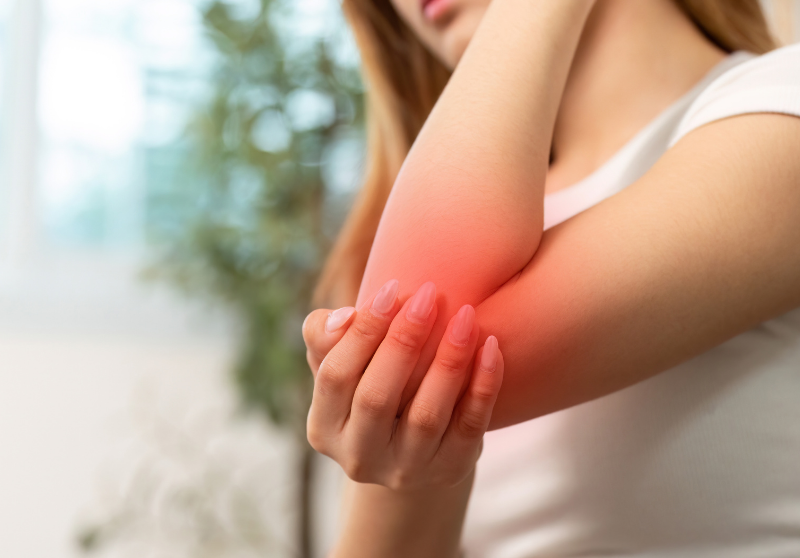
Elbow pain can quietly interfere with everyday life.
You may notice discomfort when lifting groceries, turning a doorknob, gripping a racquet, or even typing on a keyboard. What starts as mild soreness can gradually develop into persistent pain that limits strength and movement.
One of the most common causes of outer elbow pain is Tennis Elbow, medically known as Lateral Epicondylitis.
At HealU+ Wellness & Pilates, we regularly treat patients experiencing tennis elbow using a comprehensive, multidisciplinary approach designed to reduce pain, restore strength, and prevent recurrence.
This guide explains:
What tennis elbow is
Why it develops
Who is at risk
How symptoms progress
Why rest alone is not enough
And how integrated care can accelerate recovery
1. What Is Tennis Elbow?
Tennis elbow is a painful condition caused by overuse of the forearm muscles and tendons. It affects the tendons that attach the forearm muscles to the outer part of the elbow, specifically the lateral epicondyle.
These tendons help extend the wrist and fingers. When they are repeatedly stressed, microscopic tears develop. Over time, this leads to inflammation and tendon degeneration.
Despite its name, most people diagnosed with tennis elbow do not play tennis. It is a repetitive strain injury that can affect anyone who frequently uses their hands and wrists.
2. What Causes Tennis Elbow?

Tennis elbow develops due to repetitive motion and overuse.
Common causes include:
Repeated wrist extension
Repeated gripping
Lifting objects with the palm facing down
Forceful forearm rotation
Over time, these movements strain the extensor tendons. Microtears develop, and because tendons have limited blood supply, healing is slow.
Common activities that increase risk include:
Racquet sports
Weightlifting
Painting
Cooking
Hair styling
Using hand tools
Prolonged typing
Construction and trade work
Even daily activities such as lifting children or carrying groceries can trigger symptoms if performed repeatedly.
3. Who Is Most at Risk?
Tennis elbow most commonly affects adults between 30 and 50 years old, but it can occur at any age.
High-risk groups include:
Tennis and racquet sport players
Golfers
Office workers
Hair stylists
Chefs
Mechanics
Plumbers
Construction workers
Stay-at-home parents performing repetitive tasks
Anyone who performs repetitive wrist and forearm movements is at risk.
4. Common Symptoms of Tennis Elbow
The primary symptom is pain on the outer side of the elbow.
Patients often report:
Tenderness over the lateral elbow
Pain when gripping objects
Pain when lifting objects
Weak grip strength
Discomfort when turning doorknobs
Pain that radiates into the forearm
Early symptoms may feel mild and occur only during activity. Over time, pain may become persistent and interfere with work and daily tasks.
If untreated, grip strength may decrease significantly.
5. Why Rest Alone Is Not Enough

Many individuals assume that simply resting the elbow will resolve the problem.
While reducing aggravating activities is important, complete rest does not address tendon degeneration.
Tendons require controlled mechanical loading to stimulate healing. Without structured rehabilitation:
Tendon degeneration progresses
Chronic tendinopathy develops
Weakness increases
Compensatory shoulder and neck strain occurs
Effective recovery requires guided strengthening and biomechanical correction.
6. How Acupuncture Helps Tennis Elbow
Acupuncture is effective in reducing pain and promoting healing.
It helps by:
Increasing local blood flow
Reducing inflammation
Stimulating natural pain-relieving chemicals
Relaxing tight forearm muscles
By improving circulation around the tendon attachment, acupuncture supports tissue repair and reduces pain sensitivity.
When combined with rehabilitation exercises, recovery outcomes improve significantly.
7. The Role of Physiotherapy in Recovery

Physiotherapy is the foundation of long-term recovery.
Treatment focuses on:
Eccentric strengthening of the wrist extensors
Gradual tendon loading
Forearm stretching
Wrist stabilization exercises
Ergonomic correction
Activity modification
Eccentric exercises are particularly important for tendon remodeling. They encourage proper alignment of tendon fibers during healing.
Physiotherapy also identifies contributing factors such as:
Poor lifting technique
Weak shoulder stabilizers
Incorrect racquet grip
Improper workstation setup
Addressing these factors prevents recurrence.
8. How Massage Therapy Supports Healing
Registered Massage Therapy complements rehabilitation.
Massage therapy can:
Reduce forearm muscle tightness
Improve circulation
Break down adhesions
Decrease compensatory neck and shoulder tension
When forearm muscles remain tight, they continuously pull on the tendon attachment at the elbow.
By reducing muscular tension, strain on the tendon decreases.
Massage also supports relaxation and pain management during recovery.
9. Home Care Strategies to Accelerate Recovery
Home care plays an important role in healing.
Recommended strategies include:
Modifying aggravating activities
Applying ice after repetitive use
Performing prescribed stretching exercises
Using an elbow brace if recommended
Improving workstation ergonomics
Adjusting grip technique in sports
Consistency is critical. Small daily adjustments significantly influence recovery speed.
10. Integrated Care at HealU+: A Multidisciplinary Approach

At HealU+ Wellness & Pilates, we believe tennis elbow recovery is most effective when addressed from multiple angles.
Our integrated approach includes:
Acupuncture
Physiotherapy
Registered Massage Therapy
Chiropractic care
Kinesiology
Movement-based rehabilitation
This coordinated model ensures:
Accurate diagnosis
Pain reduction
Tendon rehabilitation
Strength restoration
Biomechanical correction
Prevention of recurrence
Rather than focusing solely on temporary pain relief, we aim to restore full function and long-term resilience.
Early intervention significantly shortens recovery time and reduces the risk of chronic tendinopathy.
How Long Does Recovery Take?
Recovery timelines vary depending on severity and duration of symptoms.
Mild cases may improve within 6 to 8 weeks.
Chronic cases may require 3 to 6 months of structured rehabilitation.
Early treatment consistently produces better outcomes.
When Should You Seek Professional Help?
You should consider booking an assessment if:
Pain lasts longer than two weeks
Grip strength decreases
Symptoms interfere with work
Home care does not improve pain
Pain spreads down the forearm
Delaying treatment increases recovery time and risk of chronic tendon degeneration.
Take the First Step Toward Restoring Your Elbow Strength and Grip Function
Tennis elbow is common, but it does not have to become chronic.
With accurate diagnosis and an integrated treatment approach, recovery is achievable.
By addressing inflammation, tendon health, muscle balance, and biomechanics together, patients can regain strength and function safely and effectively.
If you are experiencing outer elbow pain, early intervention can make a significant difference.
📍 HealU+ Wellness & Pilates
3041 Anson Ave #202Coquitlam, BC V3B 2H6
📞 (604) 475-8275
Book your consultation today and begin your recovery journey.

Comments